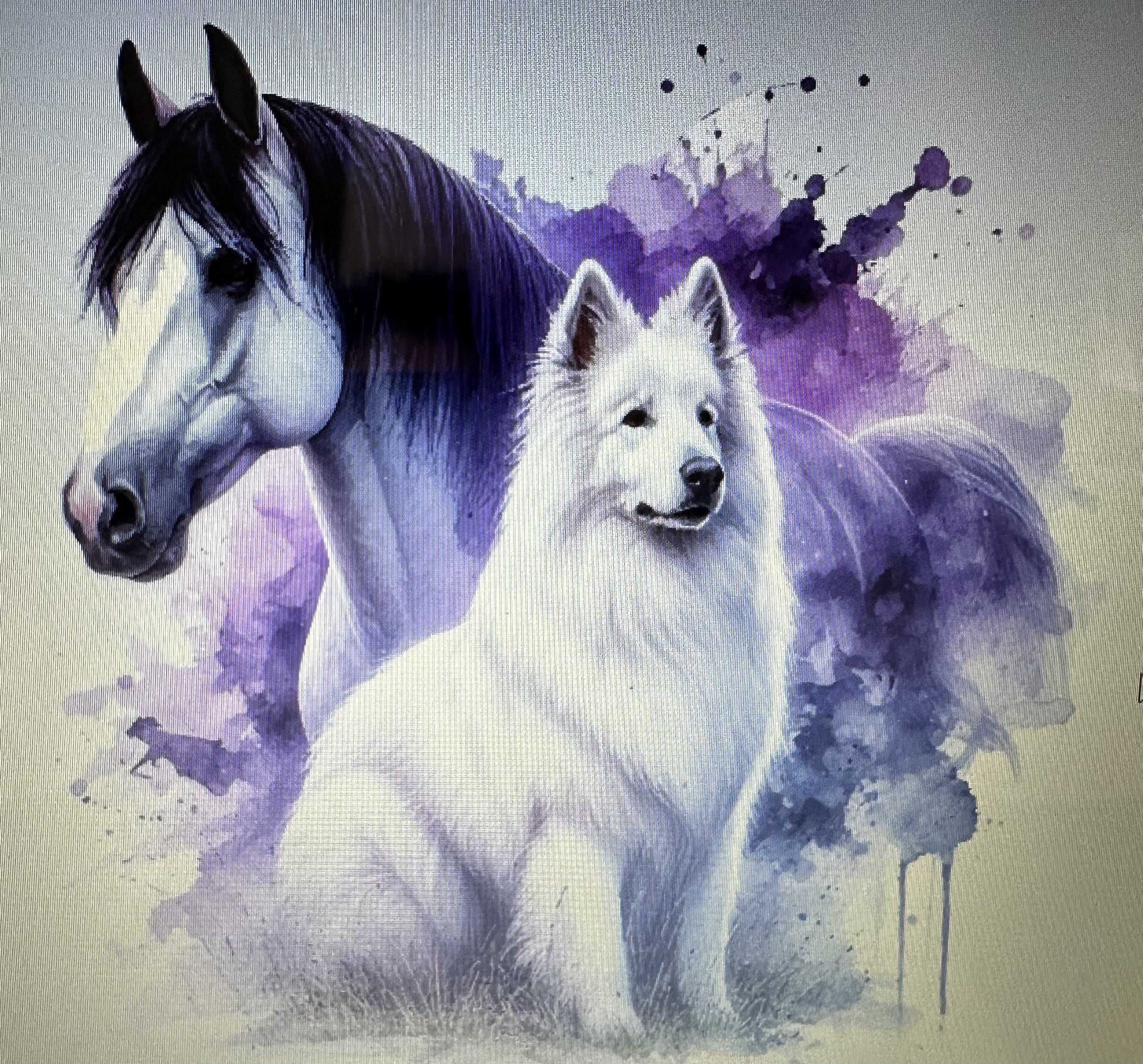
How Does Off-grid Livestock Feeding Protect Against Cyberattacks?

Posted on November 11th, 2026
Manual feeding systems protect livestock from digital disruptions that disable automated farm technology.
Removing reliance on software ensures that animals receive consistent nutrition even when regional power grids or internet services fail.
We examine the practical steps required to maintain a secure food supply through traditional off-grid methods.
The Risks of Automated Feeding Systems in Modern Farming
Modern agricultural operations rely heavily on internet-connected dispensers and software-managed nutritional programs. These digital tools create vulnerabilities where a single cyberattack or server outage leaves thousands of animals without access to scheduled meals. We prioritize physical oversight to prevent these technical failures from impacting animal health.
Software glitches often cause incorrect portion sizes or complete system lockouts during critical feeding windows. Hackers target large-scale food production infrastructure to cause chaos, making digital dependency a significant liability for livestock owners. Physical locks and manual levers remain immune to these remote threats.
Mechanical systems offer a level of predictability that code cannot match. We find that simple gravity-fed bins and hand-distributed hay provide the most reliable results during emergencies. Relying on physical labor rather than a motherboard keeps the power in the hands of the caretaker.
Four Manual Strategies for Reliable Livestock Management
Shifting away from automation requires a structured approach to daily chores and resource allocation. Implementing these manual strategies creates a buffer against digital instability. Consider these four methods for maintaining a secure environment:
- Standardize portion sizes using physical scoops rather than digital scales.
- Install gravity-fed dispensers that operate without electricity or sensors.
- Maintain a written ledger for tracking consumption and health metrics.
- Use manual gates and latches that function during total power loss.
moving to these methods reduces the stress of potential technical downtime. Physical records provide a permanent history that no cloud-based server can delete or corrupt. Human presence during feeding also allows for better observation of animal behavior and early detection of illness.
Consistency comes from routine rather than programming. We believe that the connection between a handler and the animal strengthens when feeding is a direct interaction. This approach eliminates the risk of a sensor failure leading to underfeeding or dangerous overconsumption.
Building a Secure Feed Storage Plan Without Technology
Secure storage is the foundation of an off-grid feeding strategy. Without digital inventory tracking, you must organize supplies to prevent spoilage and confirm accessibility. We recommend rotating stock manually to keep the freshest nutrients available for the herd at all times.
Climate-controlled silos often depend on electric fans and sensors that fail during a grid outage. Using well-ventilated, elevated structures allows natural airflow to protect grain and hay from moisture. This design keeps the feed viable for months without requiring a single watt of electricity.
"Reliability in livestock care is measured by what works when the power goes out, not by the complexity of the software."
Rodent-proof containers and heavy-duty locks provide the physical security that firewalls attempt to mimic digitally. Keeping a three-month supply of feed on-site mitigates the impact of supply chain disruptions caused by regional cyber events. Preparation involves physical inventory management and a commitment to manual labor.
Discover Bella Neve Shepherds' Future Horse Boarding Plans
We are expanding our commitment to animal safety and traditional care standards.
Our upcoming facilities will combine modern comfort with the reliability of proven manual systems.
Explore our upcoming horse boarding standards to see how we prioritize safety and reliability for your animals.
Join us as we build a more secure future for the local equestrian community.
Contact Me
Need Help?
Let me hear from you. I'm here to help you in any way I can!